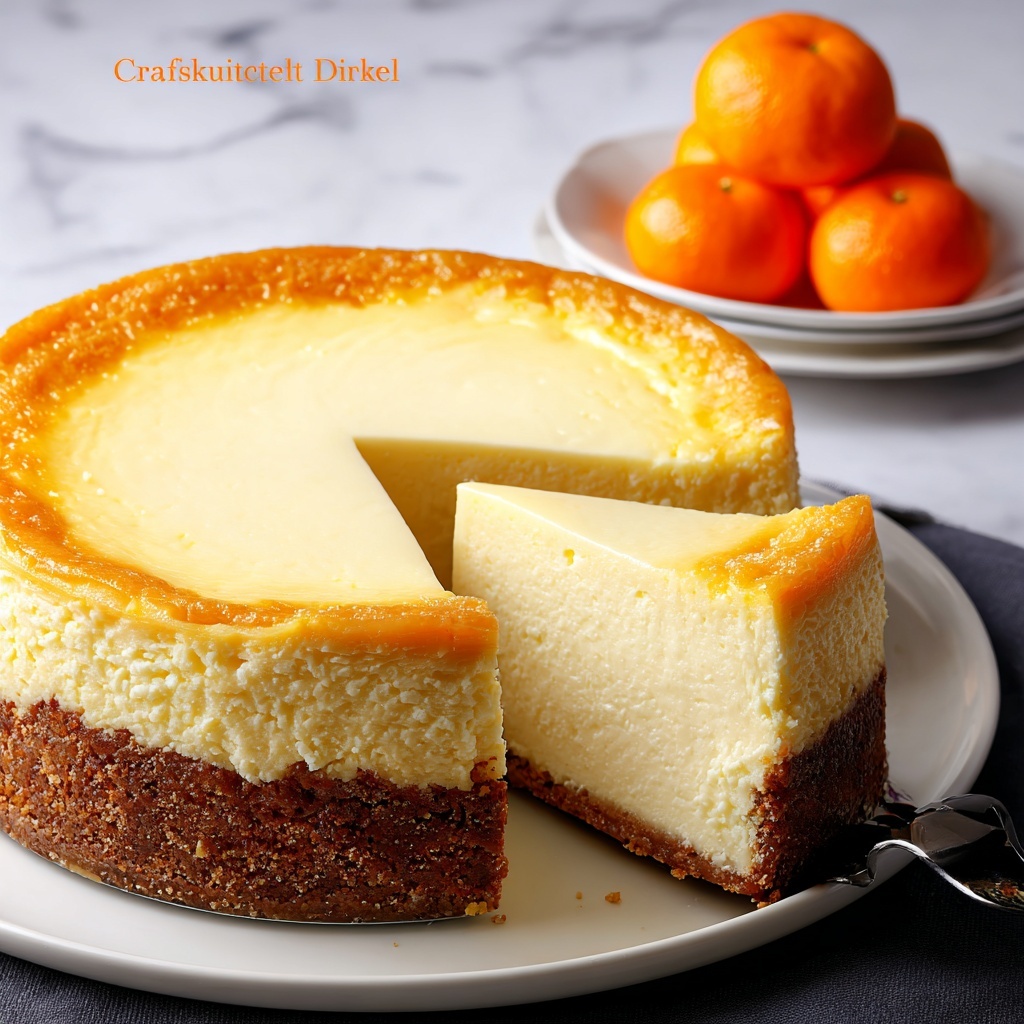
If you are looking for a delightfully light yet rich dessert, this Orange or Clementine Ricotta Cheesecake Recipe is an absolute winner. The creamy ricotta blends perfectly with the bright citrus notes of fresh orange or clementine zest and juice, creating a luscious cheesecake that feels fresh and comforting all at once. It’s not too heavy, beautifully textured, and radiates a sunny flavor that’s perfect for any occasion, from casual get-togethers to more elegant celebrations.
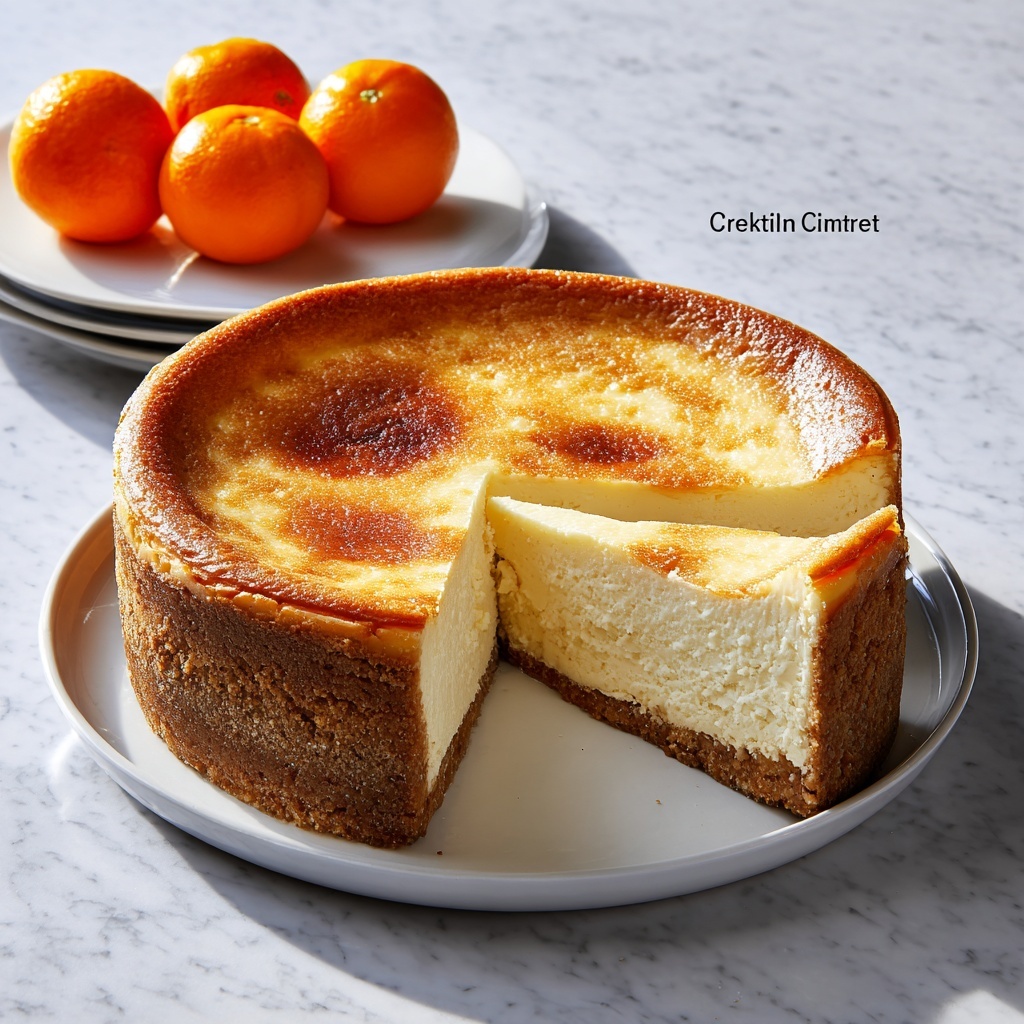
Ingredients You’ll Need
The magic in this Orange or Clementine Ricotta Cheesecake Recipe comes from a handful of simple ingredients that each play a vital role. These essentials combine to offer smoothness, sweetness, and that irresistible citrus zing that makes this cheesecake stand out.
- Ricotta cheese: Use whole or part-skim for a creamy, slightly grainy texture that is the cheesecake’s base.
- Granulated sugar: Adds just the right amount of sweetness without overpowering the fresh citrus flavors.
- Large eggs: Bind the cheesecake together and provide structure, ensuring it firms up beautifully.
- Zest of oranges or clementines: Delivers intense aromatic citrus oils that brighten every bite.
- Fresh orange or clementine juice: Adds natural tang and moisture, enriching the cheesecake’s flavor depth.
- Vanilla extract: Enhances the overall sweetness and rounds out the citrus crispness with warmth.
- All-purpose flour: Just a bit, for gentle thickening and stability without heaviness.
- Salt: Balances sweetness and intensifies the cheesecake’s flavors.
- Powdered sugar (optional): Perfect for dusting and adding a pretty, delicate finish.
- Orange or clementine slices (optional): Gorgeous garnishes that amplify the fresh, citrusy vibe.
How to Make Orange or Clementine Ricotta Cheesecake Recipe
Step 1: Preheat the Oven and Prepare the Pan
Start by preheating your oven to 350°F (175°C). Preparing an 8-inch springform pan is key to easy removal later, so grease it generously and line the bottom with parchment paper. This step ensures your cheesecake will come out cleanly and hold its shape perfectly.
Step 2: Mix the Ricotta and Sugar Until Smooth
In a large mixing bowl, beat the ricotta cheese with granulated sugar until you achieve a luscious, creamy texture. This is where the cheesecake’s smoothness begins, so take a minute to really whip these together well. No lumps here!
Step 3: Incorporate the Eggs One at a Time
Add your eggs one by one, mixing thoroughly after each addition. This careful incorporation helps maintain the cheesecake’s silky texture and prevents it from curdling, giving you that perfect tender crumb.
Step 4: Stir in Citrus Zest, Juice, and Vanilla
Now for the star flavors — mix in the fresh zest and juice of your chosen orange or clementine along with the vanilla extract. This step infuses the cheesecake batter with vibrant citrus brightness, a signature feature of this Orange or Clementine Ricotta Cheesecake Recipe.
Step 5: Fold in Dry Ingredients Gently
Sift together the all-purpose flour and salt, then fold them gently into your batter. This ensures a light touch that keeps your cheesecake tender, while providing the slight structure needed for a clean slice.
Step 6: Pour and Smooth the Batter
Transfer your batter to the prepared springform pan, smoothing the top with a spatula for an even finish. A smooth surface leads to that perfectly polished look that will impress everyone at the table.
Step 7: Bake Until Slightly Golden and Jiggly
Bake the cheesecake for about 50 to 55 minutes. Look for a lightly golden top and a center that is still slightly jiggly — this means it will set beautifully once cooled. Don’t overbake, or you might lose that creamy texture.
Step 8: Cool Gradually in the Oven
With the oven turned off, crack the door open and let your cheesecake cool slowly inside for an hour. This gentle cooling step prevents cracking and helps the flavors to settle perfectly.
Step 9: Chill Thoroughly Before Serving
Refrigerate your cheesecake for at least 3 hours, or better yet, overnight. This resting time is essential for the cheesecake to firm up and for the citrus flavors to deepen, making each slice an irresistible treat.
How to Serve Orange or Clementine Ricotta Cheesecake Recipe
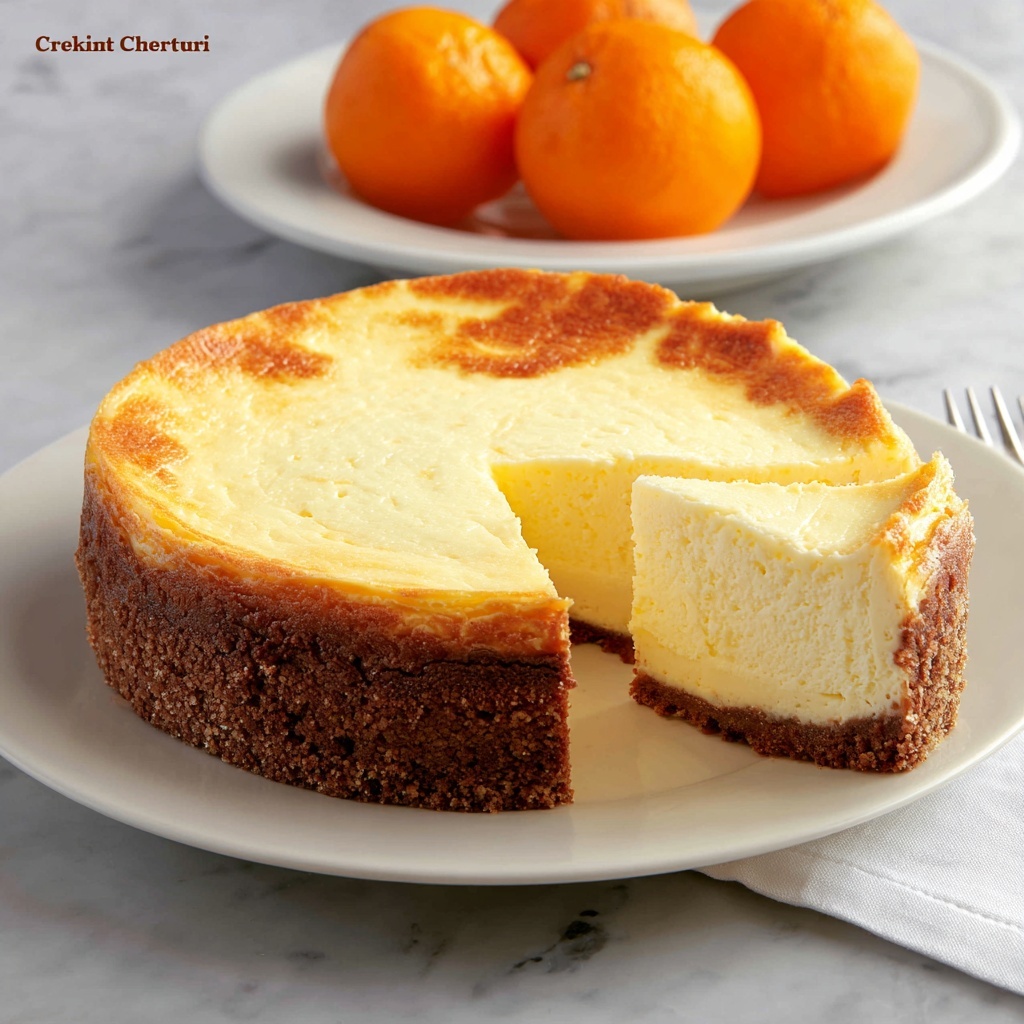
Garnishes
Adding a dusting of powdered sugar creates a delicate, snowy effect that’s both visually appealing and adds a hint of sweetness. Fresh orange or clementine slices brighten the plate with color and enhance the citrus character, inviting everyone to dive in.
Side Dishes
Pair this cheesecake with fresh berries or a simple berry compote to complement the citrus with a juicy burst of sweetness. A dollop of lightly whipped cream or a drizzle of honey can also elevate each bite, balancing the tangy and creamy flavors flawlessly.
Creative Ways to Present
For festive occasions, try serving individual cheesecake slices in petite glass jars layered with candied orange peel or crushed amaretti cookies for crunch. You can even create mini cheesecakes using muffin tins for fun, portable desserts that keep that stunning citrus flavor front and center.
Make Ahead and Storage
Storing Leftovers
Leftover cheesecake keeps wonderfully in the refrigerator for up to 4 days when covered tightly with plastic wrap or stored inside an airtight container. This keeps the cake moist and the flavors vibrant, so no bite goes to waste.
Freezing
If you want to enjoy this Orange or Clementine Ricotta Cheesecake Recipe later, you can freeze it for up to a month. Wrap it carefully in plastic wrap and then in foil to protect from freezer burn. Thaw overnight in the fridge before serving to maintain texture and flavor.
Reheating
Because this cheesecake is best served chilled, reheating is generally not necessary. However, if you prefer it slightly warmed, briefly heat small slices in the microwave for about 10 to 15 seconds. Avoid overheating to keep the delicate texture intact.
FAQs
Can I use part-skim ricotta instead of whole milk ricotta?
Absolutely! Part-skim ricotta works just fine in this recipe and will give a slightly lighter texture while still retaining that wonderful creaminess.
What if I don’t have fresh oranges or clementines?
While fresh is best for zest and juice, you can substitute with high-quality bottled orange juice and dried zest, but expect a slight difference in brightness and flavor intensity.
Is it possible to make this cheesecake gluten-free?
Yes, simply swap the all-purpose flour for a gluten-free flour blend with a similar texture to keep the batter stable without compromising taste or texture.
Why is my cheesecake cracking on top?
Cracking usually happens from baking at too high a temperature or cooling too quickly. This recipe’s gradual cooling in the oven helps prevent cracks, so be patient and follow those steps carefully.
Can I add other flavors to this cheesecake?
Definitely! A touch of almond extract or a handful of finely chopped pistachios folded into the batter can add a lovely twist while keeping the citrus flavors shining.
Final Thoughts
This Orange or Clementine Ricotta Cheesecake Recipe is truly a standout dessert that’s both easy to make and bursting with fresh, vibrant flavors. I hope you’ll take the chance to try it and share it with friends and family — it’s sure to become a treasured favorite in your recipe collection!
Print
Orange or Clementine Ricotta Cheesecake Recipe
- Prep Time: 15 minutes
- Cook Time: 55 minutes
- Total Time: 5 hours 10 minutes
- Yield: 8 servings
- Category: Dessert
- Method: Baking
- Cuisine: Italian
- Diet: Vegetarian
Description
This Orange or Clementine Ricotta Cheesecake offers a light and creamy texture with a refreshing citrus twist. Made with ricotta cheese, fresh orange or clementine zest and juice, and baked to perfection, this dessert is perfect for any occasion craving a delightful, subtly sweet treat with bright flavors.
Ingredients
Cheesecake Base
- 2 cups ricotta cheese (whole or part-skim)
- 1 cup granulated sugar
- 3 large eggs
- Zest of 2 oranges or clementines
- 1/3 cup fresh orange or clementine juice
- 1 teaspoon vanilla extract
- 1/3 cup all-purpose flour
- 1/4 teaspoon salt
For Serving (Optional)
- Powdered sugar, for dusting
- Orange or clementine slices, for garnish
Instructions
- Preheat Oven: Preheat the oven to 350°F (175°C). Grease an 8-inch springform pan and line the bottom with parchment paper for easy release.
- Mix Base Ingredients: In a large mixing bowl, beat the ricotta cheese and granulated sugar together until the mixture is smooth and creamy, ensuring no lumps remain.
- Incorporate Eggs: Add the eggs one at a time, beating well after each addition to fully incorporate them and create a smooth batter.
- Add Citrus Flavor: Stir in the orange or clementine zest, fresh juice, and vanilla extract until evenly combined, infusing the batter with bright citrus notes.
- Sift Dry Ingredients: Sift the all-purpose flour and salt together, then gently fold into the wet ingredients until the batter is smooth and homogenous.
- Prepare for Baking: Pour the batter into the prepared springform pan and smooth the surface with a spatula for even baking.
- Bake: Place the pan in the oven and bake for 50-55 minutes, or until the cheesecake turns slightly golden on top but the center remains a bit jiggly when gently shaken.
- Cool Gradually: Turn off the oven and crack the door open, allowing the cheesecake to cool gradually inside for about 1 hour to prevent cracking.
- Chill: Transfer the cheesecake to the refrigerator and chill for at least 3 hours or preferably overnight to set fully and develop its creamy texture.
- Serve: Before serving, dust the cheesecake with powdered sugar and optionally garnish with fresh orange or clementine slices for a beautiful presentation and extra citrus flavor.
Notes
- Use whole ricotta for a richer texture, or part-skim ricotta for a lighter version.
- Make sure to gradually chill the cheesecake to prevent cracks and to maintain a creamy texture.
- The center of the cheesecake should remain slightly jiggly when done baking—it will firm up during chilling.
- You can substitute clementines with oranges or other sweet citrus for varied flavors.
- For easier removal, ensure the pan is well greased and lined with parchment paper at the bottom.