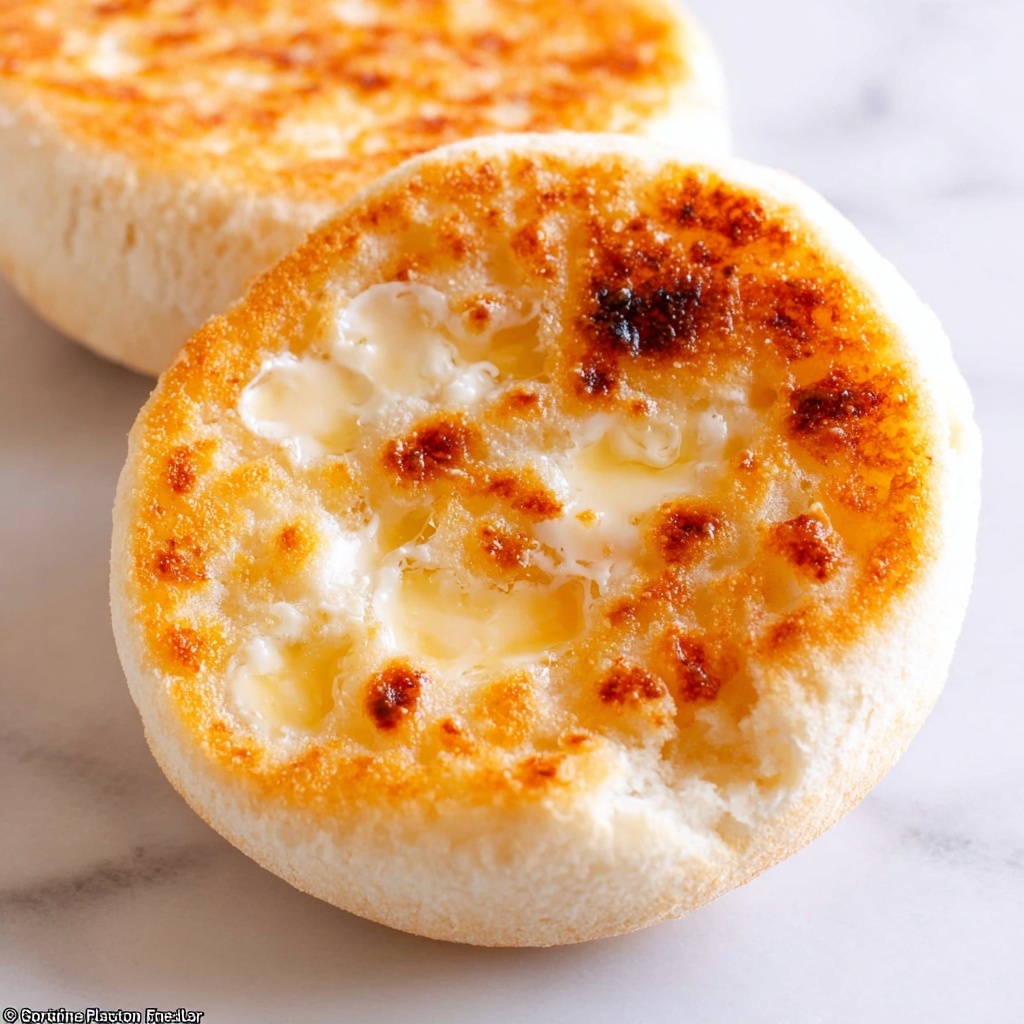
There’s something truly magical about waking up to freshly toasted homemade English muffins that are warm, fluffy, and perfectly nooks-and-crannies-filled. This Homemade English Muffins Recipe is a delightful way to recreate that bakery-fresh experience right in your own kitchen. With just a handful of simple ingredients, you’ll enjoy muffins with a golden crust and tender inside that are just begging to be slathered with butter or your favorite jam. Whether you’re making breakfast for friends or treating yourself on a slow weekend, these muffins bring comfort and deliciousness to the table like nothing store-bought can match.
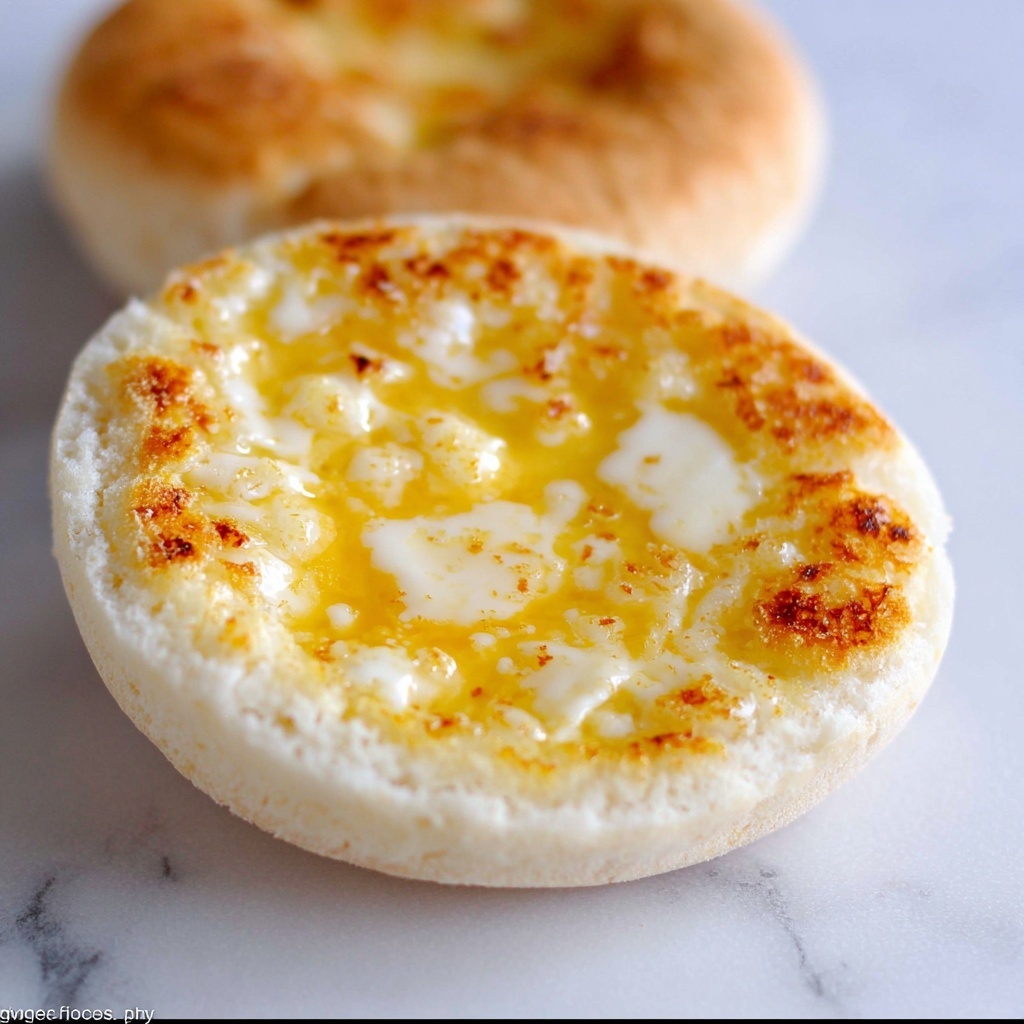
Ingredients You’ll Need
All the ingredients here are simple staples you might already have, but each plays an important role in building the unique texture, flavor, and charm of these muffins. From the yeast that gives them lift to the cornmeal that adds that signature crunch, every component matters.
- All-purpose or bread flour (5 ¾ cups): The foundation that builds structure and chewiness in these muffins.
- Warm water (2 ¾ cups): Activates the yeast and hydrates the dough for softness.
- Kosher salt (1 tbsp): Balances sweetness and enhances all the flavors perfectly.
- Granulated sugar (4 ½ tsp): Feeds the yeast for a good rise and adds a touch of sweetness.
- Instant or active dry yeast (4 ¼ tsp): The magic agent that makes your muffins light and airy.
- Cornmeal: For dusting, giving each muffin its signature rustic texture and prevent sticking.
- Non-stick cooking spray or oil: To grease your pans and keep muffins from sticking.
How to Make Homemade English Muffins Recipe
Step 1: Make the Dough
Start by combining your flour, warm water, salt, sugar, and yeast in a large bowl until you get a sticky, shaggy dough. Don’t worry if it feels a bit rough — that’s exactly what you want at this stage because it will become smooth and elastic after the rise.
Step 2: First Rise
Cover the bowl loosely with a clean towel or plastic wrap and let the dough rise in a warm spot until it doubles in size, which usually takes about 1 hour. This step is where the dough develops its airy structure, so patience really pays off here.
Step 3: Shape the Muffins
Once your dough is doubled and bubbly, turn it out onto a lightly floured surface. Divide it into 16 evenly sized pieces and shape each into a small disc about half to three quarters of an inch thick. Don’t forget to sprinkle each side generously with cornmeal—that crusty, grainy layer is what makes these muffins extra special.
Step 4: Second Rise
Place your shaped muffins on a greased or cornmeal-dusted sheet and cover them again. Let them fluff up for another 20 to 25 minutes until they look puffy and ready to cook. This extra rise ensures a tender, light crumb inside.
Step 5: Cook on the Griddle
Heat your griddle or skillet to a moderate 325 to 350 degrees Fahrenheit. Cook your muffins for 5 to 7 minutes on each side. You’ll notice a gorgeous golden crust forming. This stovetop step locks in that traditional texture and that perfect crunch on the outside.
Step 6: Bake in the Oven
Transfer the griddled muffins to a preheated 375-degree oven for 4 to 5 minutes to finish baking through. The internal temperature should reach 200 degrees Fahrenheit. This oven finish gives them a soft, fully baked interior with a slightly chewy bite.
Step 7: Cool and Serve
Allow your muffins to cool completely before splitting them open. This cooling time is key as it lets the moisture redistribute inside, preventing them from becoming gummy when toasted.
How to Serve Homemade English Muffins Recipe
Garnishes
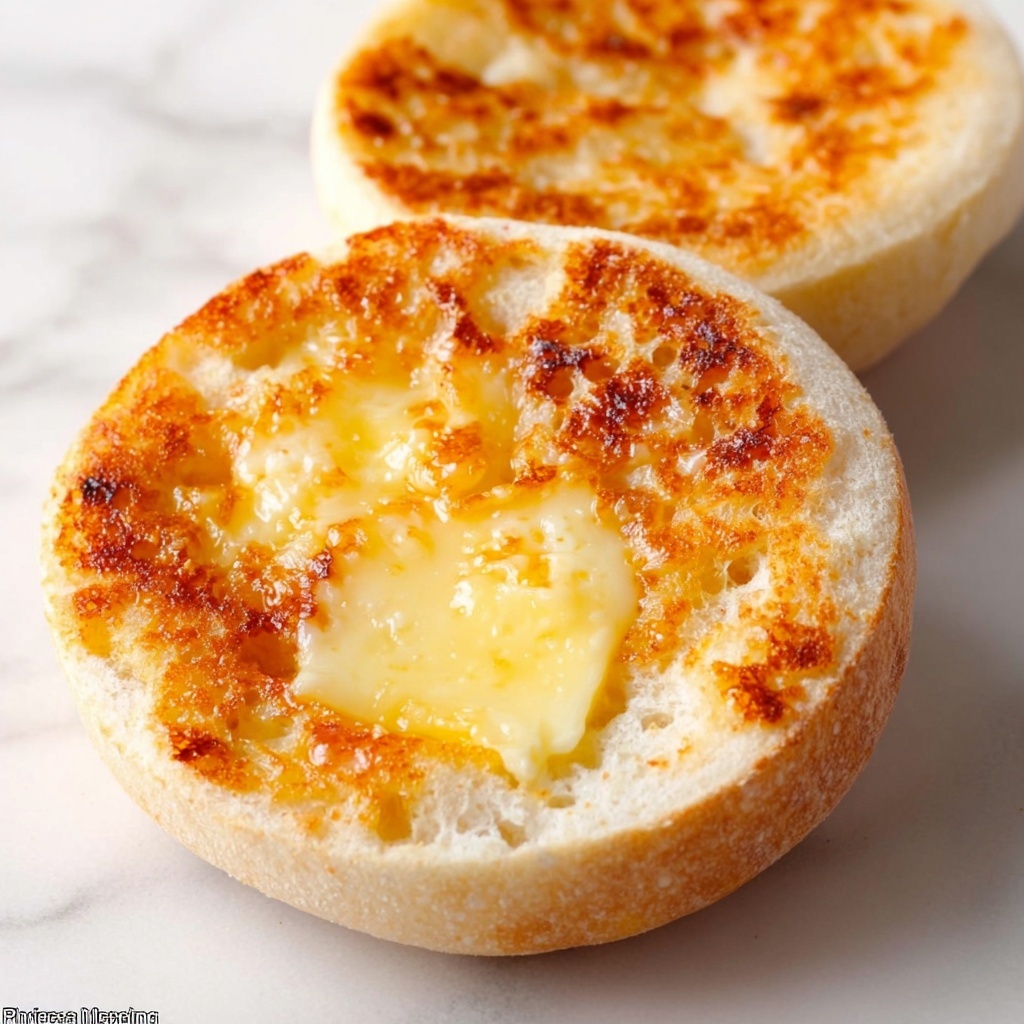
Homemade English muffins are a canvas waiting for your favorite toppings. Try them slathered with creamy butter and a drizzle of honey, or spread with tangy cream cheese and fresh fruit preserves for a breakfast treat that feels indulgent yet comforting.
Side Dishes
These muffins pair wonderfully with crispy bacon, scrambled eggs, or a vibrant fresh fruit salad. Their light texture and mild flavor complement hearty breakfast dishes without overwhelming.
Creative Ways to Present
Consider using your homemade muffins as the base for mini breakfast sandwiches, layering in avocado, smoked salmon, and a poached egg for a fancy brunch. Or cut them into cubes for delightful croutons in a savory bread pudding.
Make Ahead and Storage
Storing Leftovers
If you have leftover muffins, seal them airtight in a zip-top bag or container at room temperature for up to two days. They stay fresh and ready to toast with just a minor crisp-up needed before serving.
Freezing
You can freeze these muffins for longer storage. Wrap each one individually in plastic wrap and place them in a freezer bag. Frozen muffins will keep beautifully for up to three months, perfect for having homemade goodness on hand.
Reheating
For the best texture when reheating, split the muffins and toast them until the edges turn beautifully crisp and the interior is warm and inviting. Avoid microwaving as that can make them chewy and dense.
FAQs
Can I use whole wheat flour instead of all-purpose?
Absolutely! Whole wheat flour will add a nuttier flavor and denser texture. You may want to substitute only part of the flour with whole wheat to keep the muffins light and fluffy.
Is active dry yeast different from instant yeast for this recipe?
Both work well, but active dry yeast requires proofing in warm water before mixing while instant yeast can be combined directly with the dry ingredients, saving a little time.
Why do I need to cook the muffins on a griddle before baking?
This two-step cooking process creates the classic muffin crust and a tender crumb. Cooking on the griddle gives that golden, slightly crispy exterior while baking finishes the cooking evenly.
Can I make smaller or larger muffins with this recipe?
You can adjust the size, but remember that smaller muffins will cook faster and larger ones will need more time. Be sure to check for doneness by color and internal temperature.
How do I know when my dough has risen enough?
The dough should roughly double in size and feel airy and soft to the touch. A simple test is to poke it gently — if the indentation stays, the dough is ready for the next step.
Final Thoughts
I can’t recommend this Homemade English Muffins Recipe enough if you want to bring a warm, comforting bakery feeling into your kitchen. Making your own muffins from scratch is easier than it seems and every bite bursts with love and fresh flavor. So grab your ingredients, roll up your sleeves, and get ready to impress your family, friends, or just treat yourself to one delicious breakfast treat after another.
Print
Homemade English Muffins Recipe
- Prep Time: 10 minutes
- Cook Time: 40 minutes
- Total Time: 50 minutes
- Yield: 16 English muffins
- Category: Breakfast
- Method: Griddle Cooking and Baking
- Cuisine: British
Description
These homemade English muffins are a deliciously soft and chewy breakfast staple with a perfectly crisp crust. Made from scratch with simple ingredients, they are cooked on a griddle and finished in the oven for an authentic texture and flavor. Perfect for toasting and topping with butter, jam, or your favorite breakfast spreads.
Ingredients
Dry Ingredients
- 5 ¾ cups all-purpose or bread flour
- 1 tbsp kosher salt
- 4 ½ tsp granulated sugar
- 4 ¼ tsp instant or active dry yeast
- Cornmeal, for dusting
Wet Ingredients
- 2 ¾ cups warm water
Other
- Non-stick cooking spray or oil, for greasing
Instructions
- Make the Dough: Combine the flour, warm water, kosher salt, granulated sugar, and yeast in a large mixing bowl. Stir the ingredients together until a sticky and shaggy dough forms, making sure everything is well incorporated.
- First Rise: Cover the bowl loosely with a clean kitchen towel or plastic wrap. Let the dough rest at room temperature until it doubles in size, approximately 1 hour. This rise develops gluten and activates the yeast.
- Shape the Muffins: Once risen, turn the dough out onto a lightly floured surface. Divide it into 16 equal pieces. Shape each piece into a round disc and flatten them to about ½ to ¾ inch thickness. Sprinkle each disc generously with cornmeal on both sides to prevent sticking and add texture.
- Second Rise: Place the shaped discs on a baking sheet or tray, cover them, and let rise again for 20 to 25 minutes until they become puffy. This final rise helps create the airy inside classic to English muffins.
- Cook on Griddle: Preheat a griddle or heavy skillet over medium-low heat between 325°F and 350°F. Lightly grease the surface with non-stick spray or oil. Cook the muffins for 5 to 7 minutes on each side until they turn golden brown and form a crust. Be patient to ensure they cook through without burning.
- Bake in Oven: Transfer the partially cooked muffins onto a baking sheet and bake them in a preheated oven at 375°F for 4 to 5 minutes. Use a thermometer to check that the internal temperature reaches 200°F, ensuring they are cooked thoroughly inside.
- Cool & Serve: Remove the muffins from the oven and let them cool completely on a wire rack. Once cooled, split them open with a fork or knife and toast as desired before serving with butter, jam, or toppings of your choice.
Notes
- Ensure water is warm (about 110°F) to activate the yeast properly without killing it.
- Using bread flour results in chewier muffins due to higher gluten content compared to all-purpose flour.
- Cornmeal dusting prevents sticking and adds a signature texture on the outside.
- Cooking on a griddle over medium-low heat allows even cooking without burning the exterior.
- Finishing in the oven ensures the muffins bake fully and develop the ideal crumb structure.
- Allow muffins to cool completely before splitting to avoid tearing the crumb.
- Store muffins in an airtight container for up to 3 days or freeze for longer storage.