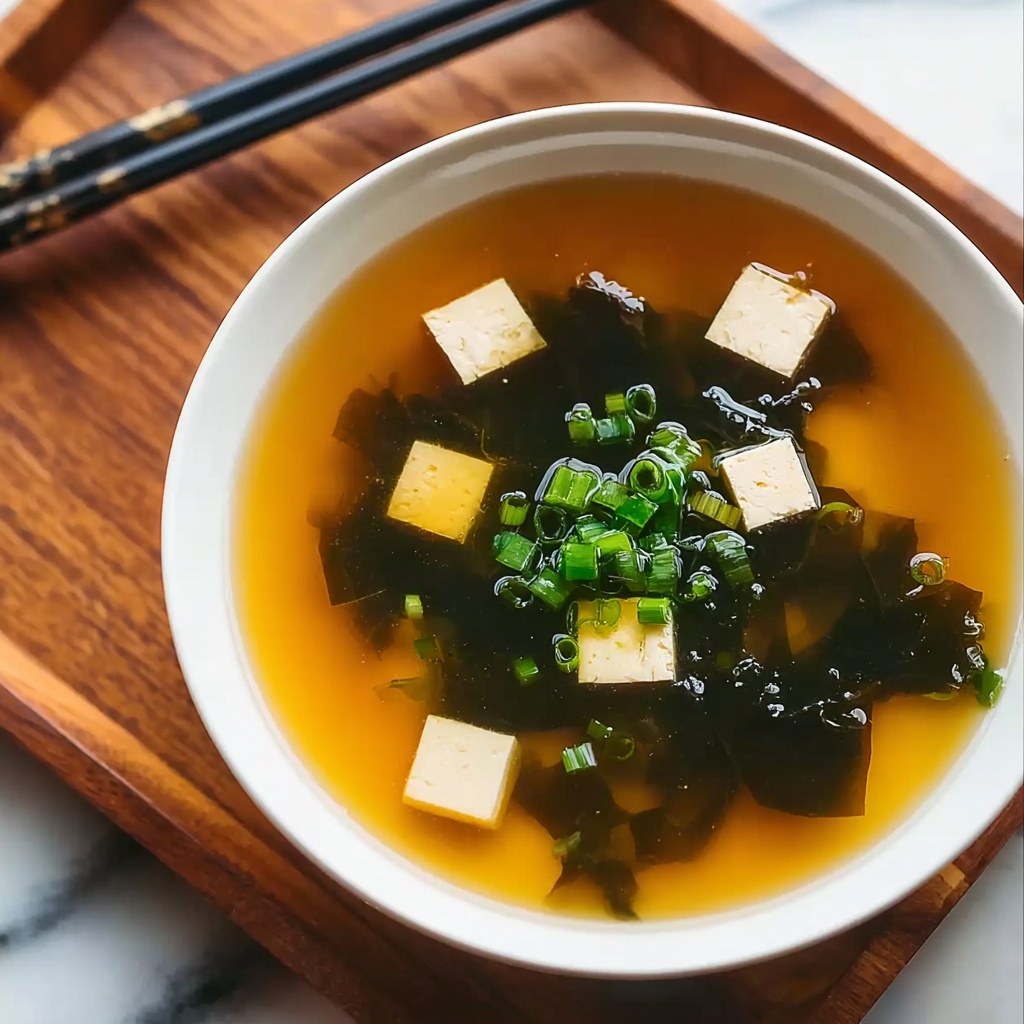
There is something incredibly comforting and nourishing about a warm bowl of miso soup, and the Homemade Miso Soup with Tofu Recipe elevates this classic Japanese staple to heartwarming perfection. This recipe celebrates the harmony of simple, fresh ingredients like silky tofu, savory miso, delicate kombu, and flavorful bonito flakes, transforming them into a bowl of soothing, umami-rich goodness. Whether you’re looking for a light appetizer or a wholesome, quick meal, this miso soup brings a delightful balance of taste, texture, and tradition right to your kitchen.
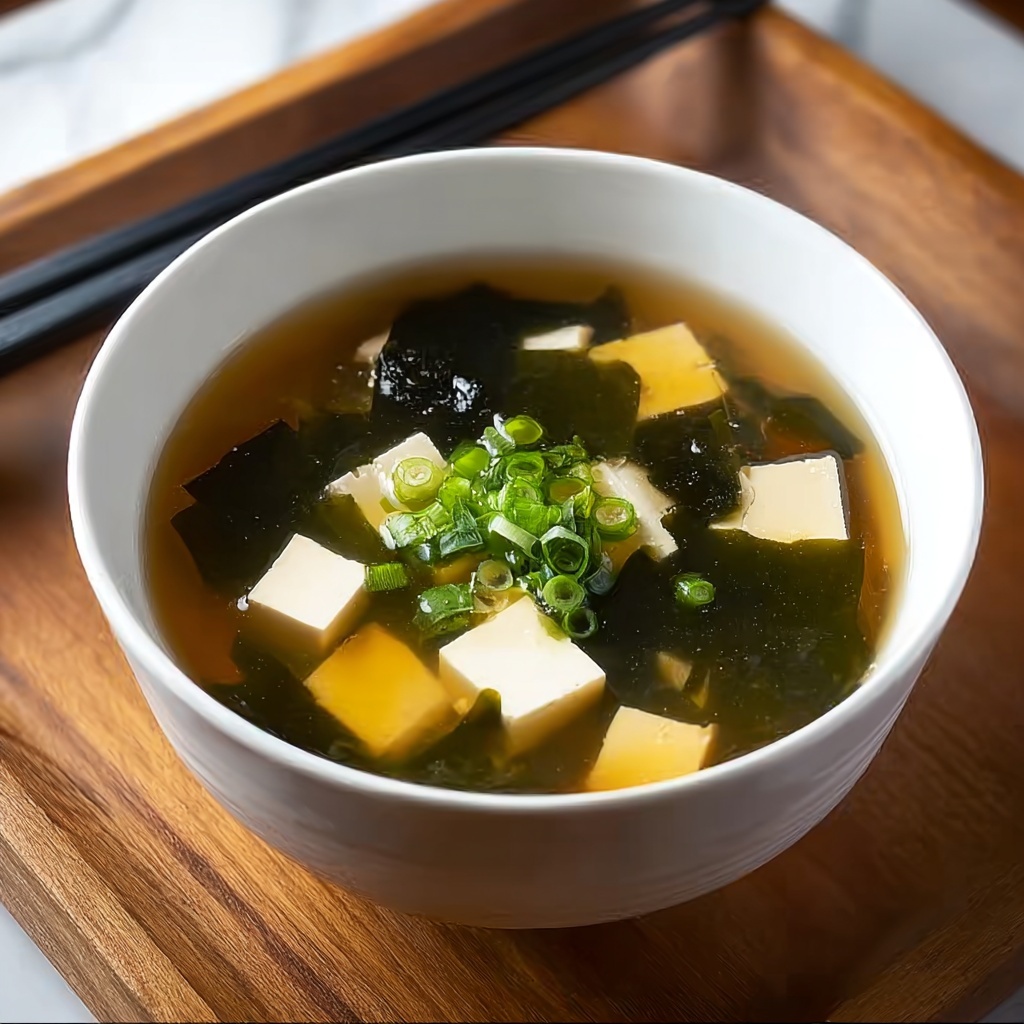
Ingredients You’ll Need
This Homemade Miso Soup with Tofu Recipe is not only simple but relies on a handful of carefully chosen ingredients that each play a vital role in creating a soup bursting with flavor and texture. These basics combine to achieve the perfect balance of savory broth, tender tofu, and refreshing greens.
- 4 cups water: The base of your broth, providing the perfect canvas to build your dashi.
- 1 piece kombu (dried kelp) (⅓ oz, 10 g per piece; 4 x 4 inches or 10 x 10 cm): Adds a subtle but essential umami depth and slight oceanic aroma.
- 1 cup katsuobushi (dried bonito flakes): Infuses the dashi with rich, smoky notes that make the broth wonderfully savory.
- 7 oz soft/silken tofu (kinugoshi dofu): Provides a smooth, creamy texture that contrasts beautifully with the broth.
- 4 Tbsp miso (use 1 Tbsp, 18 g for every 1 cup, 240 ml of dashi): The heart and soul of the soup, miso lends depth, saltiness, and a delightful tang.
- 1 Tbsp dried wakame seaweed: Offers a tender, slightly chewy texture and vibrant green color.
- 1 green onion/scallion: Adds a fresh, crisp bite and brightens the soup’s flavor.
How to Make Homemade Miso Soup with Tofu Recipe
Step 1: Prepare the Dashi Broth
Begin by gently simmering 4 cups of water with a piece of kombu in a saucepan. Slowly bring this to a boil but be sure to remove the kombu just before boiling to avoid bitterness. If you want a non-vegetarian depth of flavor, add the katsuobushi (bonito flakes) after removing the kombu, simmer for a minute or two, then strain the broth to create a clear, fragrant dashi base. This broth is the essential backbone of your Homemade Miso Soup with Tofu Recipe, infusing it with authentic umami notes.
Step 2: Prepare the Tofu and Seaweed
While your dashi cools slightly, drain and cube the soft or silken tofu into bite-sized pieces. Soak the dried wakame seaweed in a bowl of water until it rehydrates and becomes tender, then drain. These elements add comforting textures and ocean-fresh taste that complete your soup.
Step 3: Combine Miso with Dashi
Pour the warm (not boiling) dashi back into the pot and stir in the miso paste carefully. This step is crucial to retain the complex flavors of the miso without killing its natural probiotics by overheating. Dissolve the miso fully for a smooth, flavorful broth that truly showcases the Homemade Miso Soup with Tofu Recipe.
Step 4: Add Tofu, Wakame, and Green Onions
Add the cubed tofu and soaked wakame to the miso broth and gently warm through without boiling. Finally, stir in thinly sliced green onions or scallions for a touch of freshness and slight bite. With these simple final touches, your Homemade Miso Soup with Tofu Recipe is now ready to serve!
How to Serve Homemade Miso Soup with Tofu Recipe
Garnishes
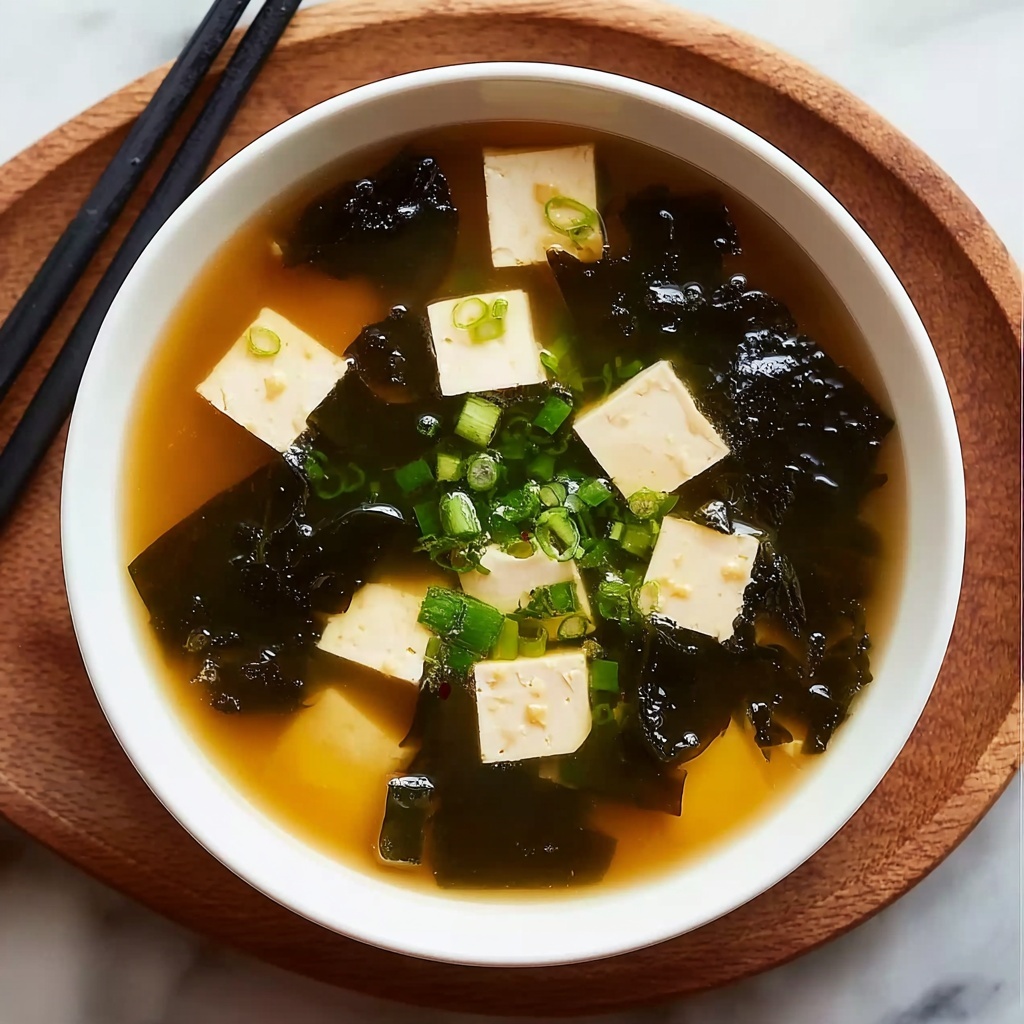
To make each bowl visually appealing and add subtle layers of flavor, garnish your miso soup with a sprinkle of toasted sesame seeds, a small dash of shichimi togarashi for spice, or thinly sliced fresh herbs like cilantro or additional green onions. These garnishes add texture and a burst of personality to each serving.
Side Dishes
This soup pairs wonderfully with traditional rice dishes or simple vegetable tempura for an elegant, balanced meal. You might also serve it alongside a fresh cucumber salad or a small bowl of steamed edamame to complement the lightness of the broth and tofu.
Creative Ways to Present
For a special touch, serve your Homemade Miso Soup with Tofu Recipe in rustic Japanese-style lacquer bowls or earthy ceramic soup cups. Adding a bamboo ladle or chopsticks nearby completes the immersive dining experience. You can even prepare mini soup shots as a unique appetizer at your next gathering.
Make Ahead and Storage
Storing Leftovers
After enjoying your soup, transfer any leftovers to an airtight container and refrigerate. It’s best consumed within 2 days to preserve the fresh flavors and delicate textures, especially the tofu, which can become grainy or watery if stored too long.
Freezing
Freezing miso soup with tofu isn’t highly recommended because tofu’s texture can become crumbly upon thawing, and miso flavors may dull. If you do freeze it, consider storing just the broth and adding fresh tofu when reheating.
Reheating
When ready to enjoy your soup again, reheat gently over low heat to avoid boiling. Stir occasionally, and add a splash of water or broth if the soup has thickened. Freshen the dish with some chopped green onions before serving.
FAQs
Can I use different types of miso in this Homemade Miso Soup with Tofu Recipe?
Absolutely! White (shiro) miso offers a mild, sweet flavor ideal for beginners, while red (aka) miso provides a deeper, saltier taste. Feel free to experiment or blend varieties for your perfect bowl.
Is it possible to make this soup vegetarian or vegan?
Yes! Simply omit the katsuobushi (bonito flakes) and rely on kombu dashi for the broth base. This keeps the soup rich in umami while making it plant-based.
What type of tofu works best?
Soft or silken tofu is preferred for its creamy texture that melts gently into the soup, providing a delicate contrast to the light broth.
How important is the dashi to the flavor?
Dashi is essential; it’s the foundation of authentic miso soup flavor. Using kombu and bonito flakes infuses the broth with complex umami that transforms simple ingredients into something special.
Can I add other vegetables to this miso soup?
Definitely! Feel free to add sliced mushrooms, carrots, daikon radish, or spinach. Just ensure you adjust cooking times to keep the vegetables tender but not overcooked.
Final Thoughts
Making your own Homemade Miso Soup with Tofu Recipe is such a rewarding experience—it’s like wrapping yourself in a warm, flavorful hug from the inside out. With simple ingredients and straightforward steps, you’re equipped to create a soup that soothes, satisfies, and impresses every time. Trust me, once you master this recipe, it will become your go-to comfort food anytime you crave something light, nourishing, and utterly delicious.
Print
Homemade Miso Soup with Tofu Recipe
- Prep Time: 10 minutes
- Cook Time: 10 minutes
- Total Time: 20 minutes
- Yield: 4 servings
- Category: Soup
- Method: Stovetop
- Cuisine: Japanese
- Diet: Low Fat
Description
This Homemade Miso Soup with Tofu recipe offers a traditional Japanese soup that is both comforting and nutritious. Featuring a delicate dashi broth made from kombu and bonito flakes, soft silken tofu, savory miso paste, wakame seaweed, and fresh green onions, this simple yet flavorful soup can be prepared in about 20 minutes and serves four people.
Ingredients
Dashi Ingredients
- 4 cups water
- 1 piece kombu (dried kelp), about ⅓ oz (10 g), 4 x 4 inches (10 x 10 cm)
- 1 cup katsuobushi (dried bonito flakes), loosely packed (about 3 cups for stronger flavor)
Miso Soup Ingredients
- 7 oz soft/silken tofu (kinugoshi dofu)
- 4 Tbsp miso paste (use 1 Tbsp, 18 g for every 1 cup of dashi)
- 1 Tbsp dried wakame seaweed
- 1 green onion/scallion, sliced into thin rounds
Instructions
- Prepare Dashi Stock: Place 4 cups of water and the kombu piece into a saucepan and slowly bring to a boil over medium heat. Just before boiling, remove the kombu to avoid bitterness.
- Add Bonito Flakes: After removing kombu, add 1 cup of katsuobushi (bonito flakes) to the water, then simmer gently for a few minutes to infuse the broth with smoky flavor. Strain the broth to remove flakes, leaving a clear dashi stock. This dashi can be made in advance and refrigerated.
- Prepare Ingredients: While the dashi is heating, slice the green onion into thin rounds and cut the soft tofu into bite-sized cubes. Rehydrate the dried wakame seaweed in water if desired, then drain.
- Make the Miso Soup: Pour the dashi back into a clean pot and bring to a gentle slow boil. Off the heat, dissolve 4 tablespoons of miso paste into the hot broth gradually without boiling to preserve the probiotics and flavor.
- Add Tofu and Wakame: Gently add the cubed soft tofu and 1 tablespoon of dried wakame seaweed to the miso broth. Heat gently to warm the ingredients without boiling.
- Finish and Serve: Stir in the sliced green onions just before serving. Serve the miso soup immediately while warm and fresh.
Notes
- Do not boil the soup after adding miso paste to maintain its delicate flavor and nutritional benefits.
- Kombu and bonito flakes are traditional dashi ingredients; omit bonito flakes for a vegetarian or vegan version.
- Adjust miso quantity to taste, but typically 1 tablespoon of miso per cup of dashi ensures balanced flavor.
- Use soft or silken tofu for a smooth texture that contrasts with the firm seaweed and scallions.
- Store any leftover dashi broth separately and add miso paste fresh each time to keep the soup’s flavor vibrant.